Bad Sleep Wrecking Fat Loss? Use This Next-Day Protocol
“Does bad sleep stop weight loss, and why am I so hungry after a short night?” Short sleep does not freeze fat loss by magic. It makes you hungrier, more tired, and more likely to eat after dinner. Fix the next day with a simple protocol, not a guilt spiral. This is not medical advice.
New here? Start with Start here. If late snacks are already the leak, see how to stop night snacking after dinner.
What short sleep actually does
The CDC Steps for Losing Weight (updated January 2025) puts enough sleep next to eating patterns, activity, and stress as part of a healthy-weight lifestyle. It also asks you to track sleep for a few days, then set only two or three short-term goals. One of its sleep tips is simple: set regular bed and wake times, skip caffeine in the afternoon and evening, and turn off screens at least 30 minutes before bed.
How common is short sleep? In 2024, CDC NCHS data found 30.5% of U.S. adults averaged under 7 hours of sleep in a 24-hour period. NIH Healthy Sleep guidance says adults 18–60 generally need 7 or more hours a night. It also notes that not getting enough quality sleep is linked to higher hunger-hormone signals, more food (especially fatty, sweet, and salty foods), less physical activity, and a higher risk of overweight and obesity. That is public-health context, not a diagnosis for your last bad Tuesday.
In a tightly controlled lab study, Markwald and colleagues (PNAS, 2013) gave adults five nights with about a 5-hour sleep opportunity versus about 9 hours. Total daily energy burn rose about 5% with short sleep, but food intake rose more than needed — especially after dinner (about 42% more calories from after-dinner snacks). People gained about 0.82 kg on average during the short-sleep stretch. When they moved back to adequate sleep, intake dropped, especially fats and carbs. Read the paper here: Markwald et al., PNAS 2013. Lab food is not your kitchen, but the pattern matches what busy adults feel: short night → bigger night snacks → scale drama.
The bad-night next-day protocol
Do not “start over Monday.” Do not crash to 1,000 calories. Run this one-day script the morning after a short night (under about 6–6.5 hours, or you feel wrecked).
| Rule | What to do | Why |
|---|---|---|
| 1. Protein first | Hit a normal protein target at breakfast and lunch. Eggs, Greek yogurt, leftovers, a shake — whatever you already use. | Hunger is louder after short sleep. Protein is the easiest brake. |
| 2. Planned snack only | Pick one ~150–200 calorie snack in advance. Eat it from a bowl or cup. Close the kitchen after that. | Lab and real life both pile calories after dinner. Plan beats the pantry. |
| 3. Step floor | Keep your usual step average, or add one short walk. Do not cancel movement because you are tired. | Short sleep often cuts activity. Protect the floor. |
| 4. No “make up” crash | Keep calories near your normal deficit day. Skip the all-day punishment diet. | Crash days rebound into bigger weekend swings. |
| 5. Scale note | Weigh if you want, but flag the day as “short sleep.” Trust the weekly average. | Water and glycogen noise is loud after a messy night. |
Sample bad-night day (numbers are examples)
Say your usual deficit day is about 1,900 calories with ~120 g protein and 8,000 steps. After 5 hours of sleep:
- Breakfast: eggs + toast or Greek yogurt + fruit (protein first).
- Lunch: leftovers or a simple high-protein box (see high-protein work lunches).
- Afternoon: water or black coffee if caffeine still fits your cutoff. Desk snack from the high-protein work snacks list if you need it.
- Dinner: normal plate. Measure oils and peanut butter if those usually drift.
- Evening: one planned snack only, then kitchen closed. No “I earned chips because I slept badly.”
- Movement: your step floor or one 15–20 minute walk. Our steps guide is baseline-plus, not a 10k guilt trip.
Tonight’s sleep basics (busy-adult version)
You do not need a perfect sleep stack. Stack the boring stuff the CDC and NIH already list:
- Same bed and wake time most days (weekends included when you can).
- Caffeine cutoff in the afternoon so it is not still kicking at 10pm.
- Screens off at least 30 minutes before bed. Phone charges outside the bedroom when possible.
- Bedroom cool, dark, quiet. No TV as a sleep crutch.
- If you are awake more than about 20 minutes, get up, do something boring dim-light, then return (NIH tip).
Chronic loud snoring, gasping, or falling asleep at the wheel is a clinician conversation, not a blog fix. Same if sleep problems last for weeks.
Two low-drama tools that help the protocol stick
Disclosure: As an Amazon Associate I earn from qualifying purchases. Some links are affiliate links. You pay the same. This site is not medical advice.
Sharp digital alarm clock (budget). Dual alarms for weekday vs weekend, large red LED, ascending wake sound, 9-minute snooze, plug-in power with 2×AA battery backup. Use it so your phone can charge in another room. It does not “cure” insomnia. It removes the scroll trap that steals the last hour of sleep.
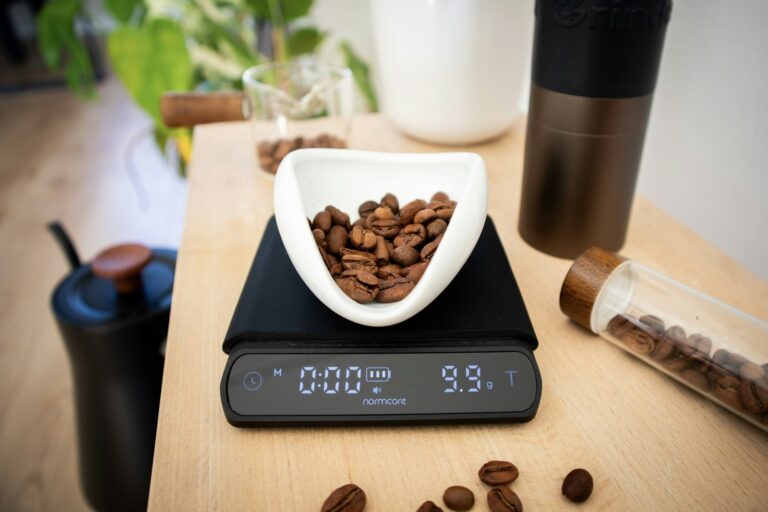
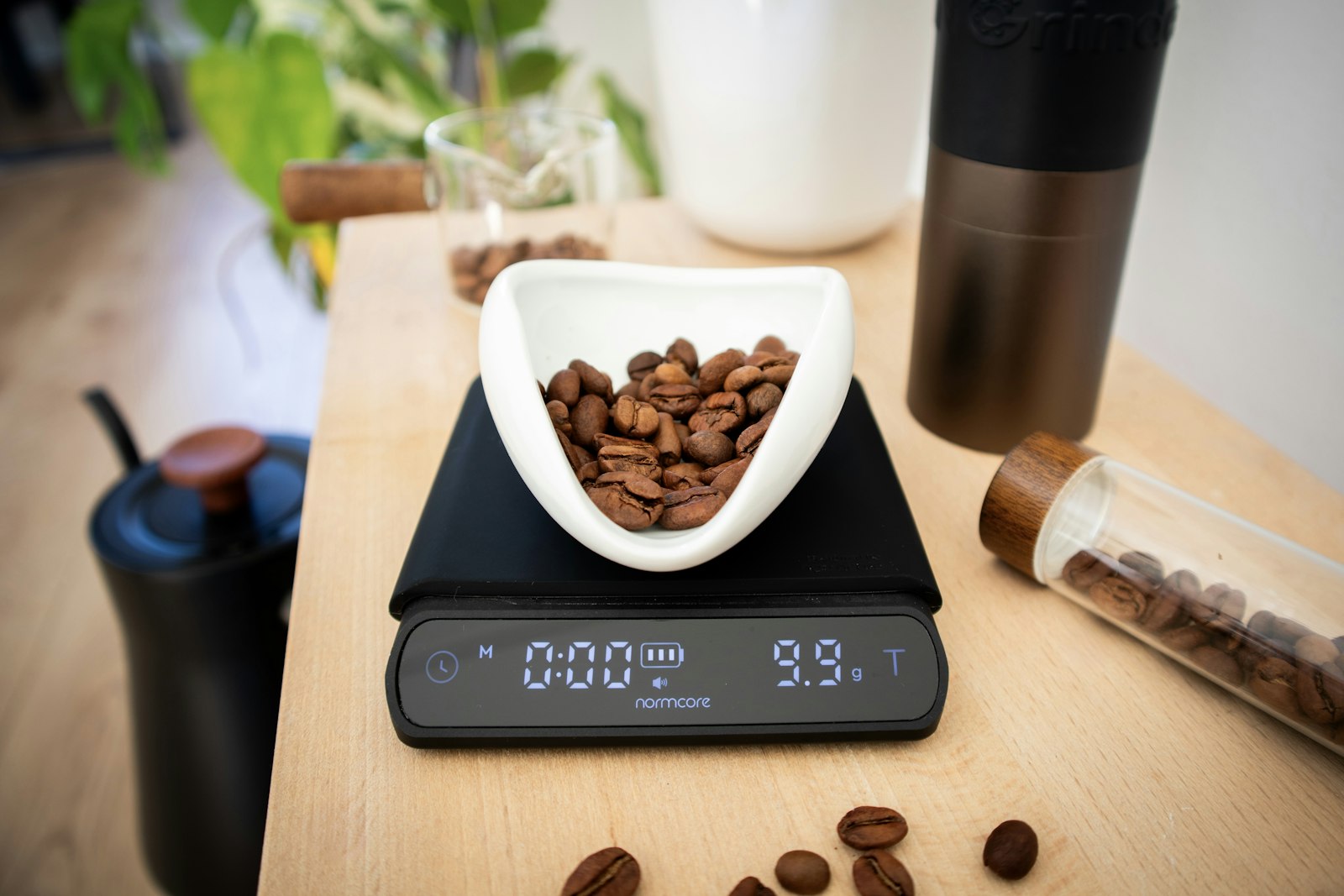
Escali Primo food scale (budget). Digital, grams and ounces, tare button. After a short night, hungrier hands pour bigger. Scale peanut butter, oil, cereal, and cheese for one day so the protocol stays honest. Specs and packs change — check the live listing.
More kit ideas live on the Best fat-loss tools hub. Kitchen helpers sit on Kitchen for fat loss.
If the scale is flat for weeks
One bad night does not equal a plateau. If weekly averages and waist are stuck for weeks with honest tracking, run the 4-week stall audit. For long-term calorie planning, use the free NIDDK Body Weight Planner instead of old “3,500 calories = 1 pound” math. The CDC still frames a gradual pace of about 1 to 2 pounds a week as more realistic for people who keep weight off.
The short version
- Short sleep raises hunger and after-dinner snacking more than it “stops” fat burn.
- Adults generally need ≥7 hours; about 3 in 10 U.S. adults average less.
- Next day: protein first, one planned snack, step floor, no crash diet, trust weekly averages.
- Tonight: regular schedule, caffeine cutoff, screens off, phone out of the bedroom when you can.
- Tools help the habit (alarm + food scale). They are not sleep medicine.
Write your next-day snack and step floor on a sticky note before bed tonight. Then come back to Start here for the calorie-gap basics. This is general information, not medical advice. If sleep loss is chronic, loud snoring or gasping shows up, or a clinician already set your plan, follow that plan.