How Much Protein Per Meal for Fat Loss?
Short answer: You do not need a magic gram number painted on your plate. The Dietary Guidelines for Americans, 2025-2030 push high-quality protein foods at every meal and a daily protein range of about 1.2 to 1.6 grams per kilogram of body weight (adjust to your calories). For a busy adult eating three meals, that often lands near 25-40 grams of protein per meal from real food – eggs, yogurt, chicken, fish, beans, tofu – not a supplement parade. Protein does not melt fat by itself. A calorie gap does. Protein just makes the gap easier to live with.
Disclosure: As an Amazon Associate I earn from qualifying purchases. Some links are affiliate links. You pay the same. This site is not medical advice.
What “per meal” actually means
Most people dump almost all their protein at dinner. Toast for breakfast. Salad vibes at lunch. Then a steak that could feed a small sports team. That pattern is common in national survey data, and it is a weak way to hit a daily target when your mornings look like a fire drill.
Reviews that look at meal timing often land on a practical rule of thumb: get roughly 25-30 grams of high-quality protein at two to three meals across the day if muscle maintenance matters to you (Protein for Life review, PMC). More than that at one sitting is not a crime. Stuffing 90 grams into one dinner while breakfast is cereal air does not magically “use” leftover protein better either.
So the busy-adult version is simple:
- Pick a daily ballpark from your body weight (more below).
- Split it across the meals you actually eat.
- Front-load a little at breakfast if dinner is already covered.
A quick daily math without a spreadsheet
Take your body weight in kilograms. Multiply by 1.2 for the low end of the DGA protein serving goal, or by 1.6 for the high end. Adjust if your calories are very low or very high – the guidelines say to adjust to individual calorie needs.
| Body weight | ~1.2 g/kg/day | ~1.6 g/kg/day | 3 meals (rough each) |
|---|---|---|---|
| 150 lb (68 kg) | ~82 g/day | ~109 g/day | ~27-36 g |
| 180 lb (82 kg) | ~98 g/day | ~131 g/day | ~33-44 g |
| 210 lb (95 kg) | ~114 g/day | ~152 g/day | ~38-51 g |
Those are planning numbers, not a prescription. Kidney disease, pregnancy, meds, or a clinician-set plan override this page. Talk to a professional if that is you.
What 25-40 grams looks like on a real plate
You do not need a lab coat. You need leftovers and a fork.
- ~25-30 g: 3 eggs + Greek yogurt snack; cup of cottage cheese; 4 oz cooked chicken; firm tofu stir-fry with a side of beans.
- ~35-40 g: 5-6 oz cooked fish or turkey; big Greek yogurt bowl with milk stirred in; bean burrito with cheese plus a side of eggs.
- Plant-heavy days: combine beans, lentils, soy, nuts, and grains across the meal so you are not betting the farm on toast alone.
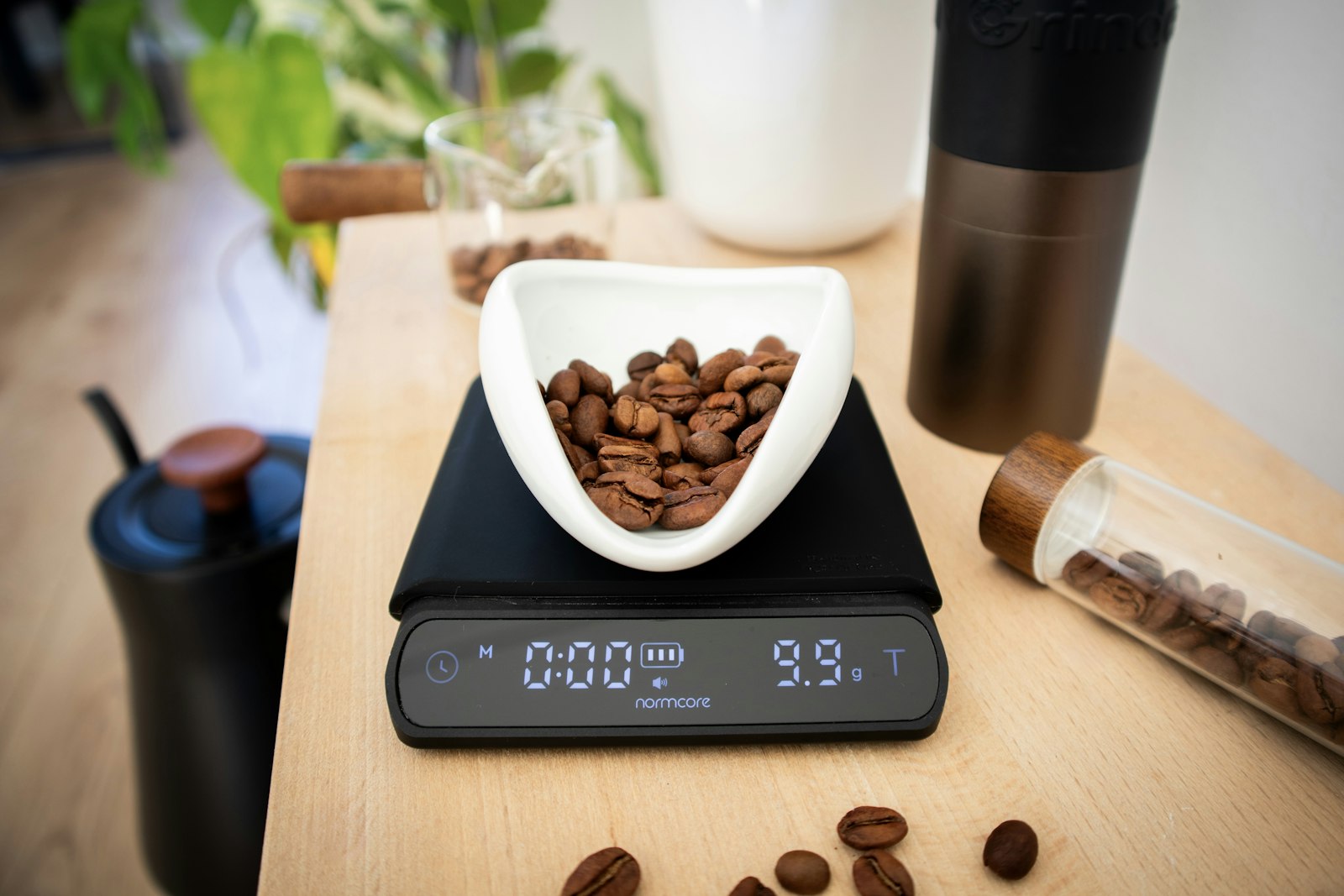
Labels and kitchen scales beat “eyeball chicken.” If oils and nut butters keep crashing your calorie gap, a cheap food scale on the counter is the honest friend – same story as our food-scale post. Mid-range pick many people use: Escali Primo digital scale.
Kitchen context lives on Kitchen for fat loss. Full kit list: Best fat-loss tools.
Why this helps fat loss (without magic claims)
NIDDK is clear: the main lever to lose weight is eating and drinking fewer calories than you use. Activity helps you keep lost weight off. Protein foods sit in that healthy eating pattern next to vegetables, fruits, whole grains, and dairy or fortified alternatives.
Protein’s job in a fat-loss week is mostly practical:
- Fullness. Meals with a solid protein chunk tend to leave less room for the office doughnut raid.
- Muscle while you cut calories. You want the bathroom scale to tell a story about fat, not “I stopped eating and my arms got soft.” Strength work plus enough protein is the boring combo that shows up in research more than detox tea.
- Honesty. “I ate clean” often means “I ate olive oil by the tablespoon.” Weighing the chicken or yogurt once in a while keeps the gap real.
The CDC still talks about gradual change – about 1 to 2 pounds a week for many people who lose weight and keep it off – plus sleep and stress, not heroics. Protein targets are a tool inside that plan, not a substitute for it.
A busy-adult meal template (15 minutes or leftovers)
Use this when your calendar looks hostile:
- Breakfast: Greek yogurt (check the label) or eggs. Aim for that 25 g floor before coffee turns into a pastry.
- Lunch: Leftover protein from last night’s cook, or canned fish, or a bean-heavy bowl. Pack it Sunday if Mondays hate you.
- Dinner: Palm-plus of cooked meat, fish, tofu, or a big legume serving. Vegetables take the rest of the plate.
- Optional snack: Only if a meal was thin – cottage cheese, jerky, edamame – not a second dessert with a protein halo.
If you walk for your activity minutes, keep that habit too. Walking hubs on this site are for clocked walks, not vibes: Walking for fat loss.
Common traps
- “Protein bar breakfast forever.” Fine as a bridge. Weak as a personality. Bars can hide sugar and still leave you hungry at 10 a.m.
- “More powder equals more fat loss.” No. Powder is food with a scoop. Useful when you travel. Not required if eggs and yogurt already hit the number.
- “Skipping protein all day, then a huge dinner.” You can hit the daily total that way. Satiety and muscle research prefer spreading it.
- “Ignoring calories because protein.” Peanut butter is protein-adjacent and also a calorie grenade. Portions still count.
Who should soft-pedal DIY targets
If you have a history of disordered eating, kidney disease, or a clinician already set your protein, do not turn this post into a scoreboard. This site is not medical advice. Tools and habits here support an honest calorie gap – they do not diagnose or treat anything.
What to do this week
- Write your daily ballpark once (weight in kg x 1.2 to 1.6).
- Check labels on the three meals you already eat. Add food, not stress, until breakfast and lunch stop looking like carb-only cameos.
- Cook one protein once, portion it for two lunches. Future-you will send a thank-you text.
- If portions feel fictional, use the food scale for two weeks on meats, yogurt, and oils – then keep it for the sneaky stuff.
Start broader if you are new here: Start here. Kitchen gear and habits: Kitchen for fat loss.
Sources
- Dietary Guidelines for Americans, 2025-2030 – protein foods at every meal; ~1.2-1.6 g/kg/day.
- NIDDK – Eating & Physical Activity to Lose or Maintain Weight
- CDC – Steps for Losing Weight
- Lonnie et al., Nutrients – Protein for Life review (~25-30 g protein per meal, multiple meals)
- Mamerow et al., J Nutr – even protein distribution and muscle protein synthesis